THE ACREAGE EQUIPMENT FIELD GUIDE
What does reverse rotation mean on a flail mower?
A mower described as having reverse rotation is not necessarily designed to mow while the tractor backs up. A label may describe the rotor, PTO or reversible blade edges. Before buying for a confined area, ask which component the wording refers to and whether the intended travel direction is permitted.
By Acreage Equipment · Reviewed November 7, 2026 · Specification research, not a field test
THE DECISION IN NUMBERS
Resolve the direction label before comparing mowers
Manufacturer descriptions reviewed November 7, 2026. The dead-end-area row is a hypothetical buying requirement, not an operating recommendation. No clockwise/counterclockwise PTO direction or direction conversion is inferred.
Scroll the table sideways on smaller screens.
| Model or requirement | Documented meaning | Unresolved purchase question |
|---|---|---|
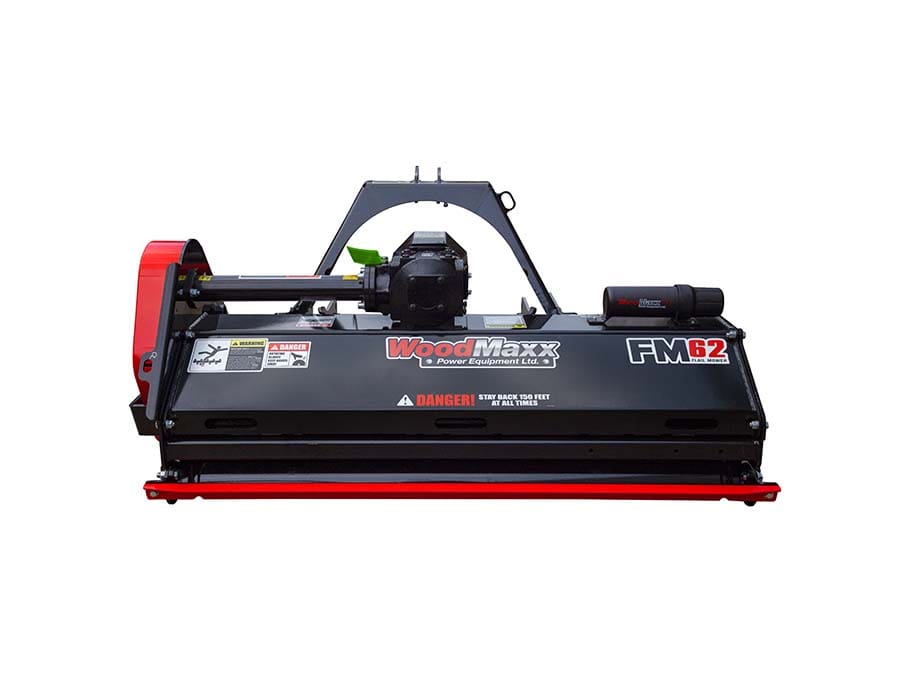
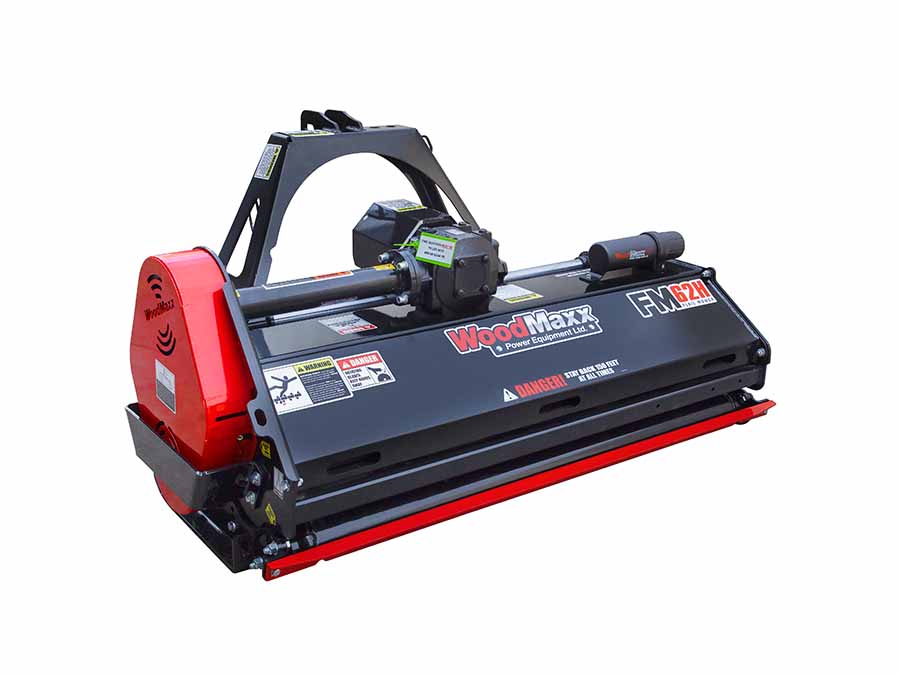
| WoodMaxx FM-62: reverse rotor | Rotor compared with tractor wheels during forward travel. | What input direction applies to my quoted tractor/mower arrangement? |
| WoodMaxx FM-Series: travel direction | Current manual prohibits reverse mowing. | Does my planned job depend on a travel pattern this manual excludes? |
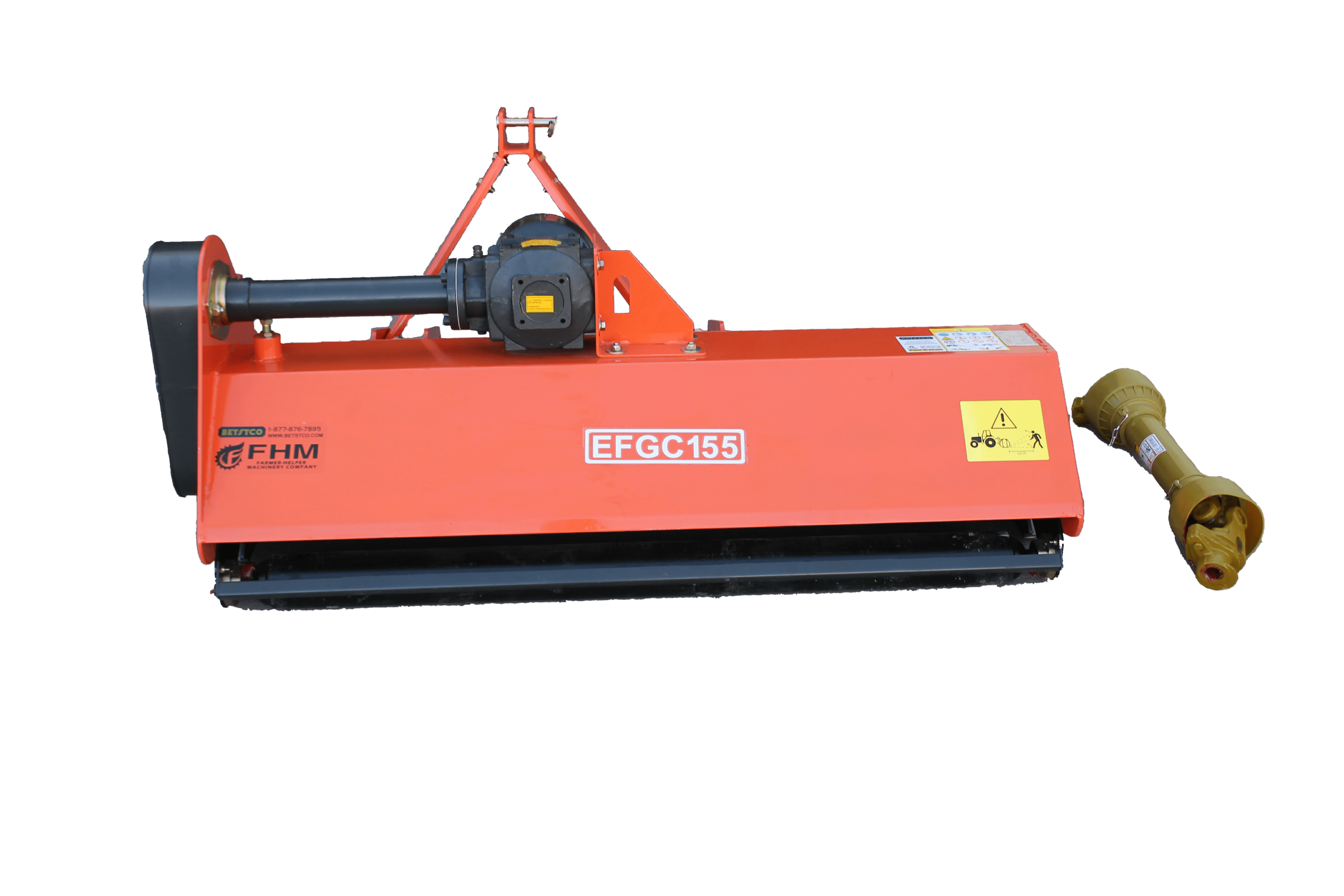
| Betstco FH-EFGC155: rotation wording | Details say reverse; another row describes forward shaft rotation. | Which component and viewpoint explain each statement? |
| WoodMaxx FM-62 Y configuration | Reversible describes blade service orientation. | Is the quote about blade edges, or an unsupported reversible-drive claim? |
| Hypothetical requirement: mowing into a dead end while backing | A reverse-rotor feature alone does not establish suitability. | Obtain the applicable travel restriction before selecting the mower. |
Ask what rotates, and from which viewpoint
Treat each direction label as an incomplete specification until its component and reference are clear. Ask whether it describes the tractor PTO, the mower input shaft or the cutting rotor. A clockwise description also needs a viewing position. Request the applicable manufacturer diagram for the exact supplied configuration, rather than inferring input direction from a rotor feature name.
Read the FM-62 rotor description literally
WoodMaxx defines the FM-62 rotor’s reverse direction relative to the tractor wheels during forward travel. That comparison explains the feature label; it does not describe the tractor driving backward. The page separately specifies 540 RPM at the PTO. Speed and direction answer different compatibility questions. Neither the rotor label nor the RPM number, by itself, verifies the complete driveline arrangement for a particular tractor.
Check travel restrictions before planning the job
The current FM-Series manual explicitly prohibits reverse mowing and identifies the mower’s front as the intake and rear as the discharge. Consider a hypothetical buyer whose plan depends on backing a mower into a narrow dead-end area. The FM-62 reverse-rotor label does not satisfy that requirement. The buyer should resolve the intended work pattern with the manufacturer before selecting the attachment; the label is not permission to work in both travel directions.
Keep ambiguous seller wording open
Betstco’s FH-EFGC155 details use the same tractor-wheel comparison for reverse rotor rotation. Its additional-information table also places “Standard Shaft rotation is forward” beneath a reverse-rotation heading. Those statements do not clearly identify the same component and viewpoint. They are not enough to prove that two different rotor configurations exist. Ask Betstco for an annotated direction diagram and the applicable manual statement for the quoted machine.
Separate a reversible blade edge from a reversible drive
The FM-62 page offers reversible Y blades, and the manual discusses reversing those blades in its service section. That is a blade-orientation feature, not evidence that the powered rotor or tractor PTO can be run in either direction. Likewise, the label does not authorize changing between the factory hammer and Y configurations. If a quote promises reversible operation, have the seller name the component and cite the approved configuration.
Carry the unresolved direction questions into the quote
Use this guide’s seller-brief link to retain these questions and choose one of the covered mower configurations. Add the tractor model and describe the access limitation that prompted the question. Request a written answer identifying the input requirement, rotor reference and permitted travel direction. The brief can be copied or downloaded for your own supplier inquiry.
Take these questions with you.
- For this exact model and factory configuration, which component does reverse describe, and can you provide a direction diagram with its viewing position?
- What input-shaft direction and PTO speed does the supplied mower require, and where are both specified?
- Does the applicable manual permit the travel pattern I described, including any requirement to mow while backing?
- If the product page uses different rotation labels, how do they reconcile with the supplied machine’s component/viewpoint diagram and manual?
Keep these questions with your exact tractor and attachment details.
Use these questions in my seller briefFOLLOW THE NUMBERS
Sources & documentation
Research record reviewed November 7, 2026. Confirm the current manual and the exact revision supplied with your machine.
- WoodMaxx FM-62 — rotor rotation, blade type and PTO speed
- WoodMaxx FM-Series Rev C, September 22, 2026 — pp. 11, 26 and 31
- Betstco FH-EFGC155 — two differently worded rotation descriptions
- WoodMaxx manual index: Models 2025 to current
- Currently linked EFGC standard manual, Revision 12-12-17, pp16–23
- Official EFGC series: fixed models and separate hydraulic-offset kits
- Official Betstco manual index