THE ACREAGE EQUIPMENT FIELD GUIDE
Attachment weight vs. tractor lift capacity
A product weight below a three-point lift rating is only the start of a load check. The two figures may describe different measuring points, configurations or operating conditions. Subtracting them does not produce an approved safety margin.
By Acreage Equipment · Reviewed November 7, 2026 · Specification research, not a field test
First compare the same kind of weight
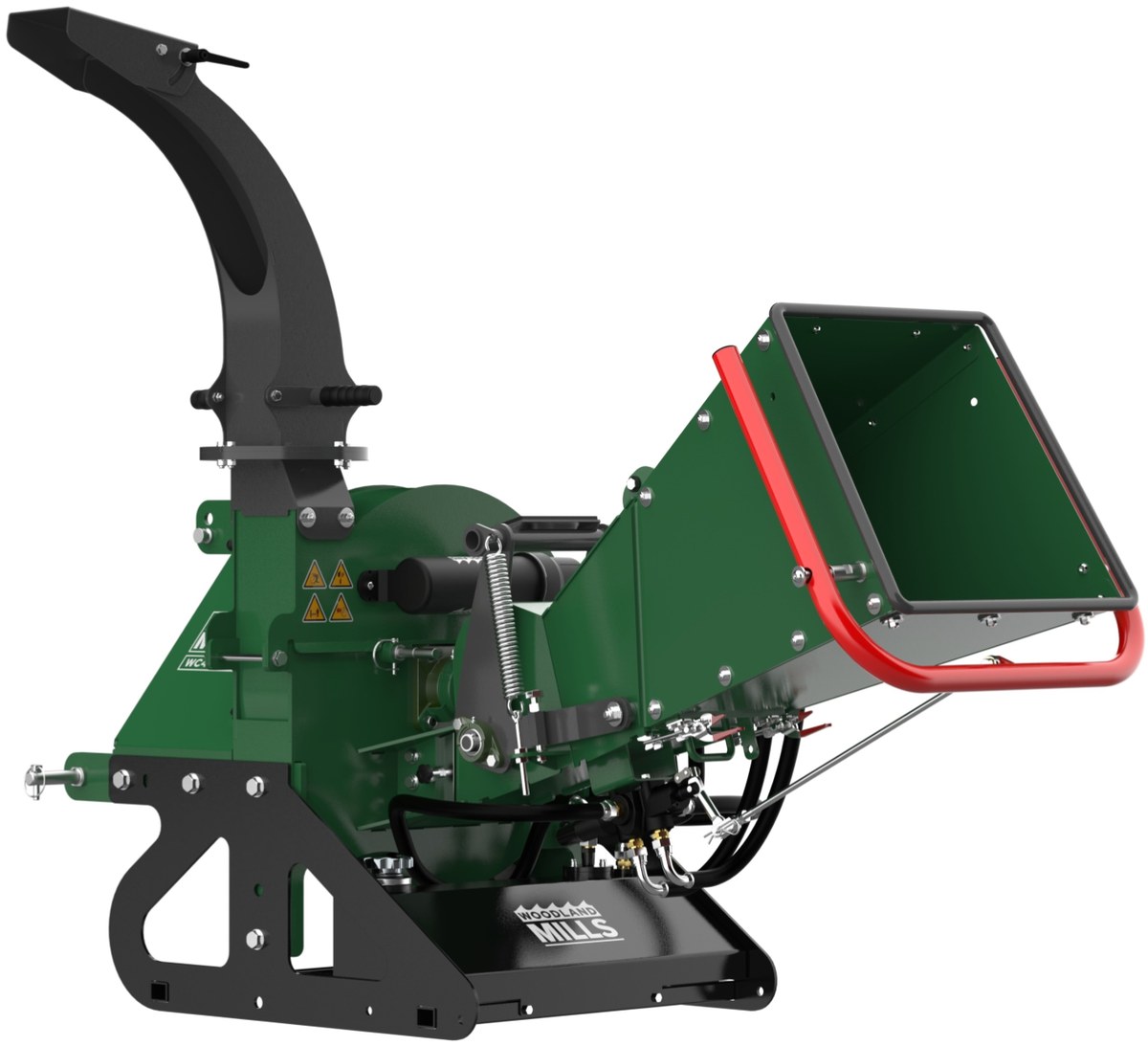
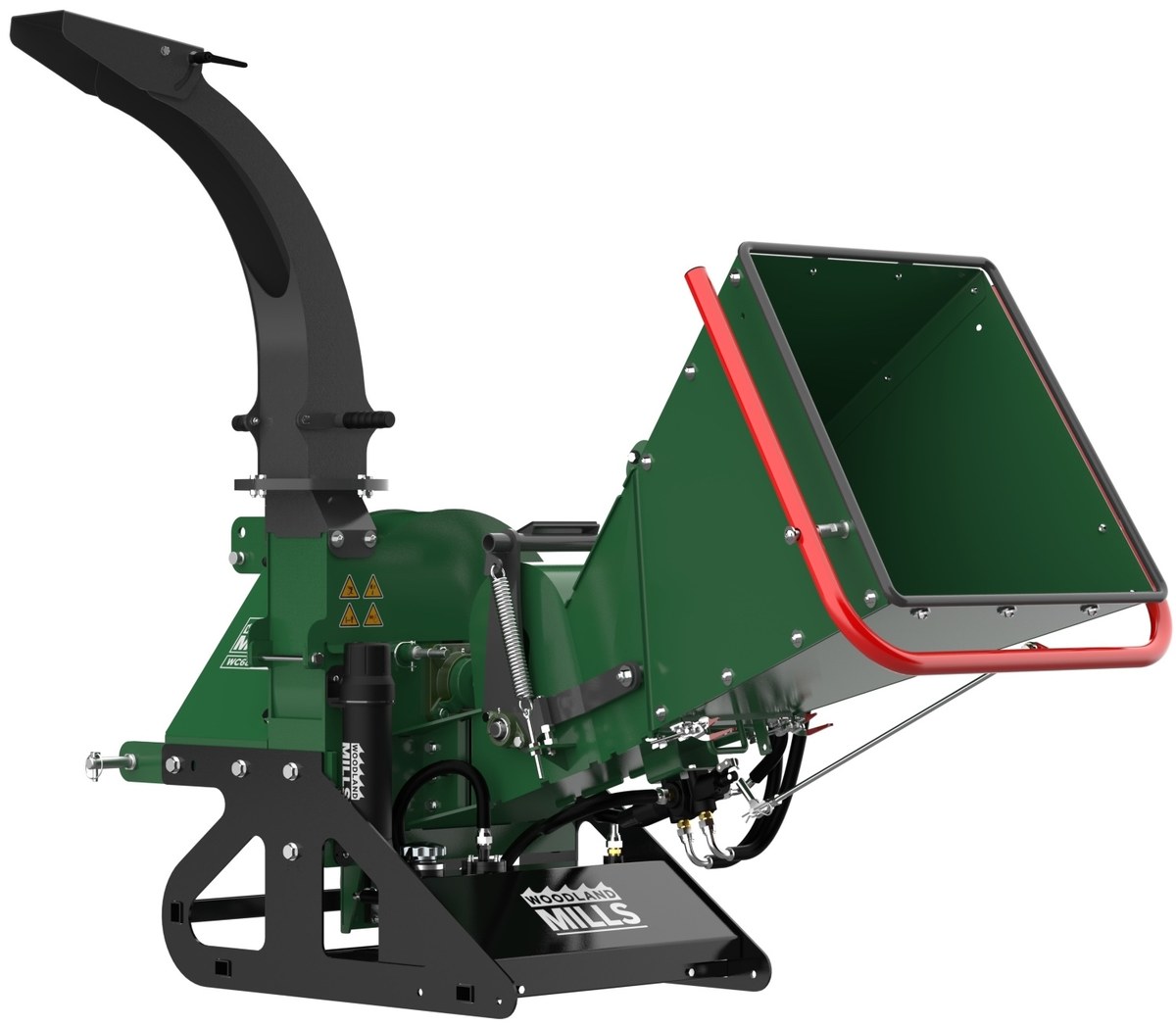
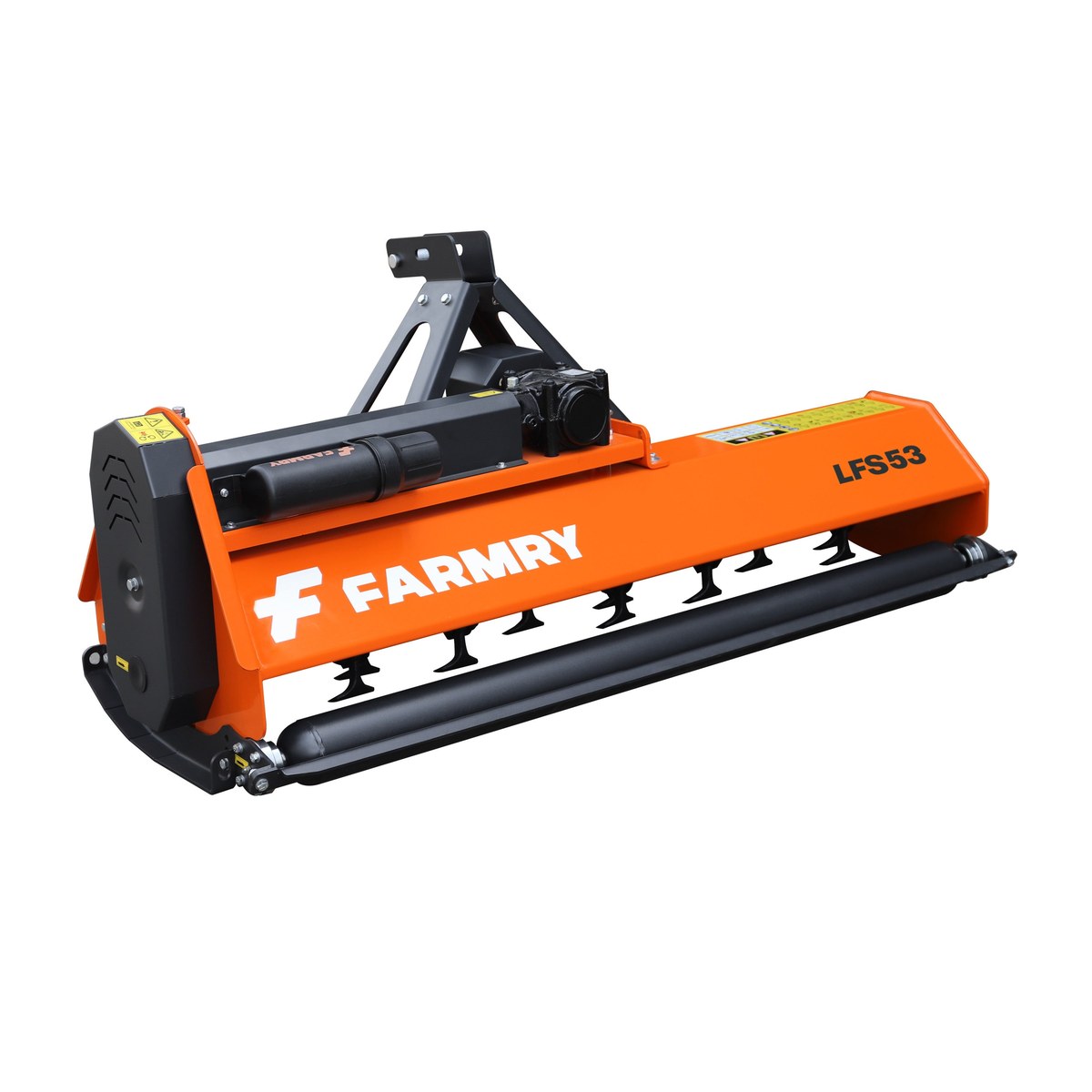
Woodland Mills’ 2024 Rev C WC46 manual lists 587 lb product weight and 693 lb shipping weight; WC68 lists 747 and 842 lb. Shipping includes a different package and is not used here as operating weight. Farmry LFS weights explicitly include the shaft. Other listings do not clearly state that basis, so confirm the full operating package before comparing. A November 7, 2026 check of the current product pages found shipping figures of 648 lb for WC46 and 825 lb for WC68. The reason for the page/manual difference is unresolved; confirm the actual order’s packed weight and dimensions.
Keep the measurement point with the lift number
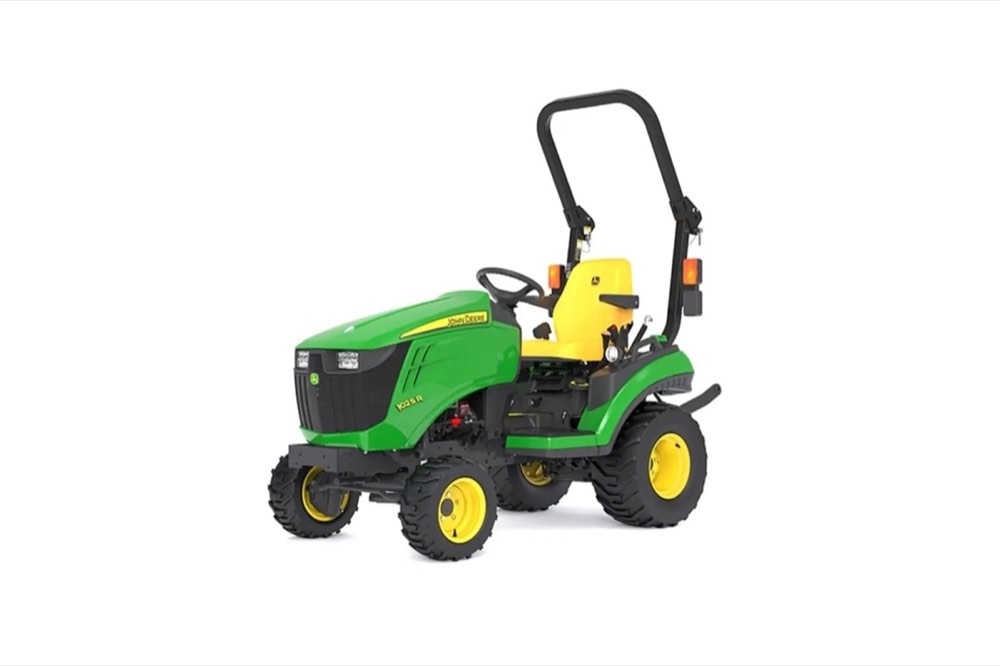
The current U.S. Deere 1025R specification gives 758 lb through full lift range at 610 mm, or 24 inches, behind the hitch point. A rating at the link ends is a separate number. A long implement or quick hitch can move the real load center, so a lighter listed attachment does not automatically satisfy the rated condition.
A worked example that should not become a fit claim
WC46’s 587 lb is numerically below the 1025R’s 758 lb at-24-inch figure. That comparison alone leaves actual load center, permitted implement class, geometry, ballast and operating conditions unresolved. The tractor’s Limited Category 1 hitch also needs a lift-height check. Our tool therefore keeps this pairing in review.
Ask for the complete operating setup
Take the tractor and attachment manuals, exact revision, shaft and quick-hitch details, and the intended terrain to the dealer or manufacturer. Confirm implement limits and required ballast before ordering. If two official weights conflict, record the conflict and request the figure for the delivered configuration instead of selecting the smaller number.
Take these questions with you.
- Does the weight include shaft, fluids and installed options?
- At what distance and through what lift range is tractor capacity measured?
- Which implement limits and ballast instructions apply to this exact load?
Keep these questions with your exact tractor and attachment details.
Use these questions in my seller briefFOLLOW THE NUMBERS
Sources & documentation
Research record reviewed November 7, 2026. Confirm the current manual and the exact revision supplied with your machine.
- Woodland Mills WC68 official page — feed system, PTO band and delivery service
- Woodland Mills WC46 official page — current shipping weight and delivery service
- Farmry official product specifications
- Farmry LFS Series operator manual, Rev 1.7 — Printed pp17–18 specifications; p28 tractor stability
- Farmry flail mower comparison table — Net-weight comparison; may exclude PTO shaft
- Woodland Mills WC46 operator manual, Rev C, 28-May-2024 — Printed p9 product/shipping weights; p12 Cat 1 and PTO range; operation/setup sections
- Woodland Mills WC68 operator manual, Rev C, 28-May-2024 — Printed p9 product/shipping weights; p12 Cat 1 and PTO range; operation/setup sections
- John Deere 1025R current U.S. product specifications