THE ACREAGE EQUIPMENT FIELD GUIDE
Chipper feed stop, neutral and reverse: what do the controls affect?
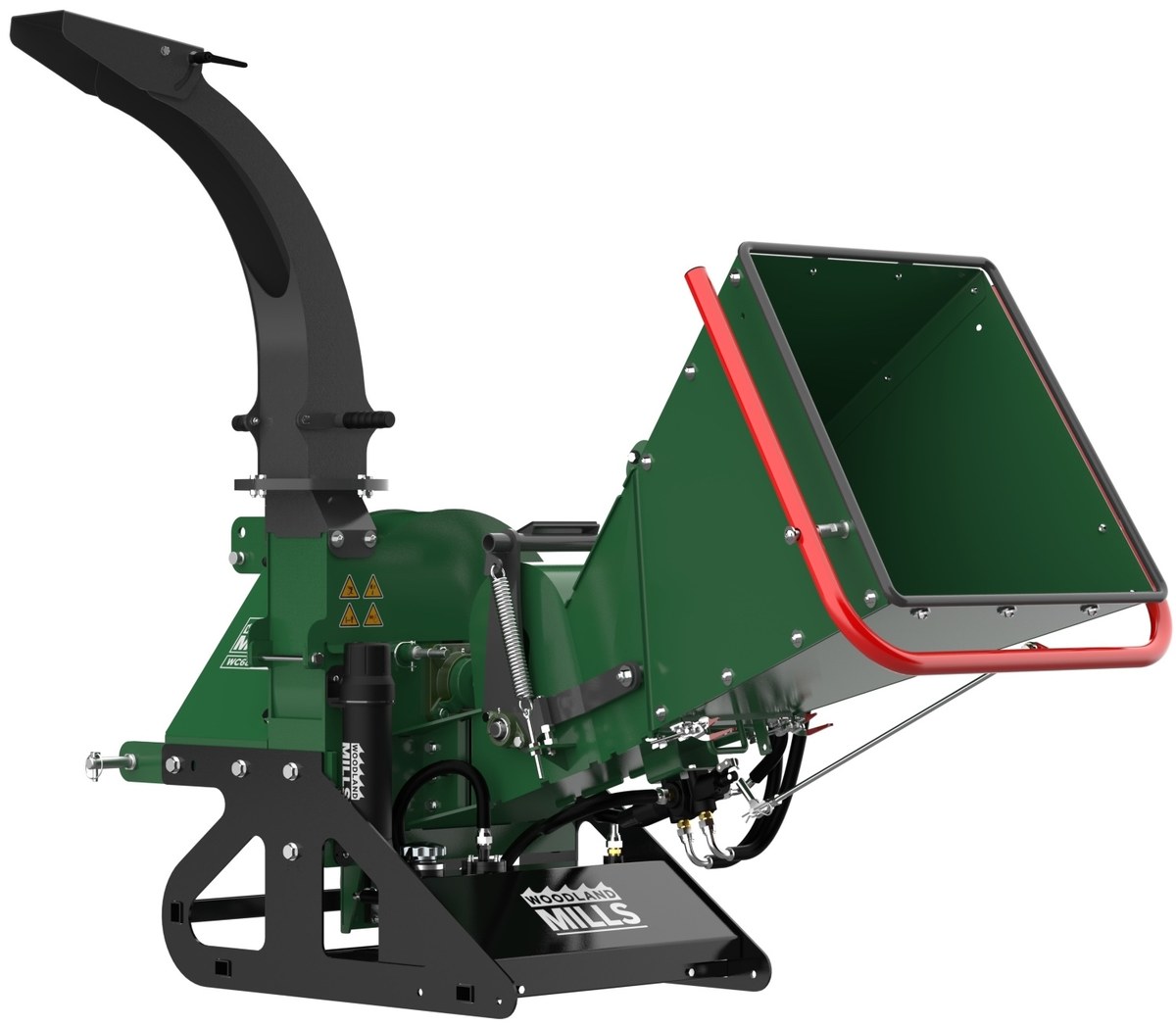
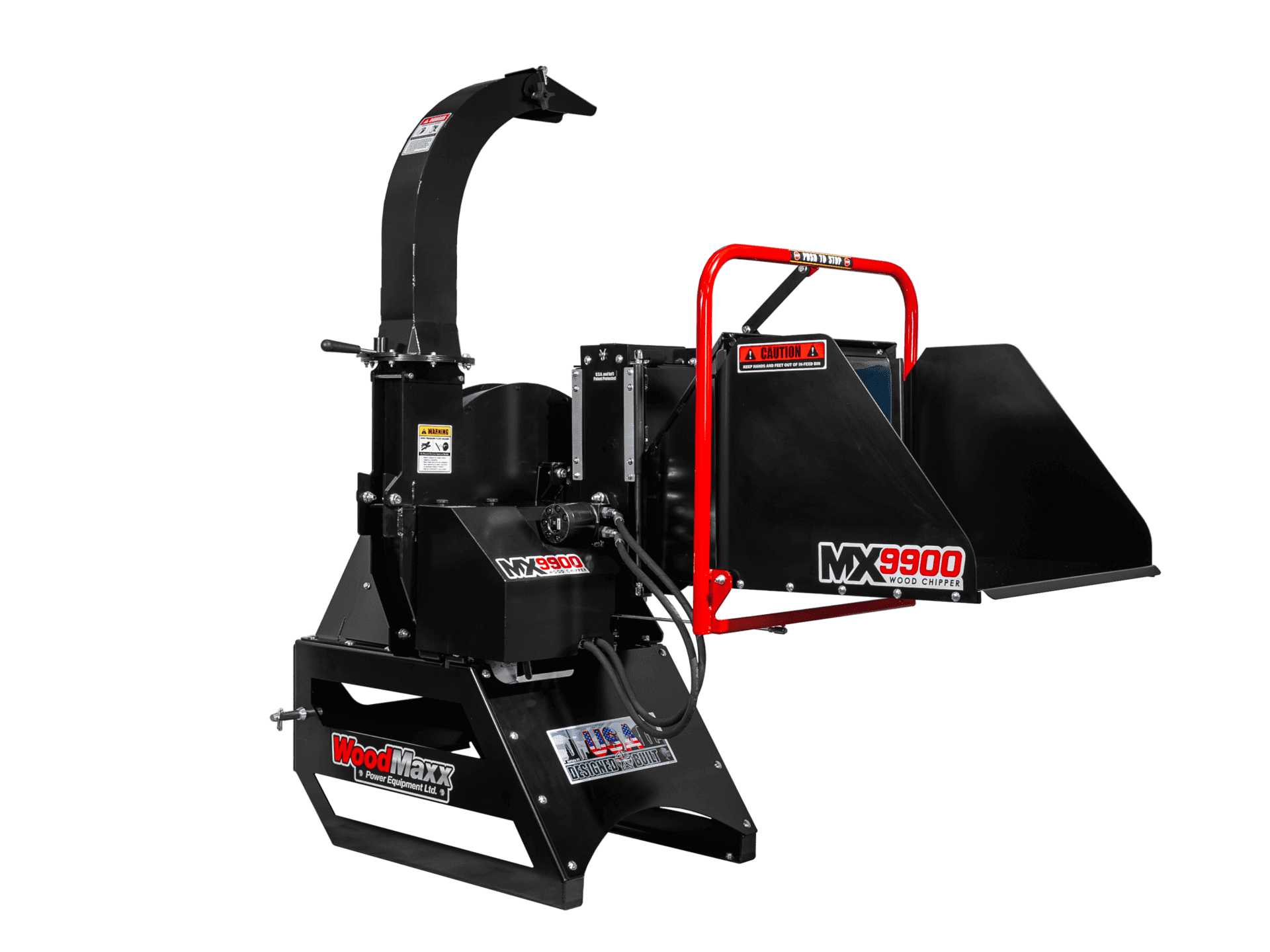
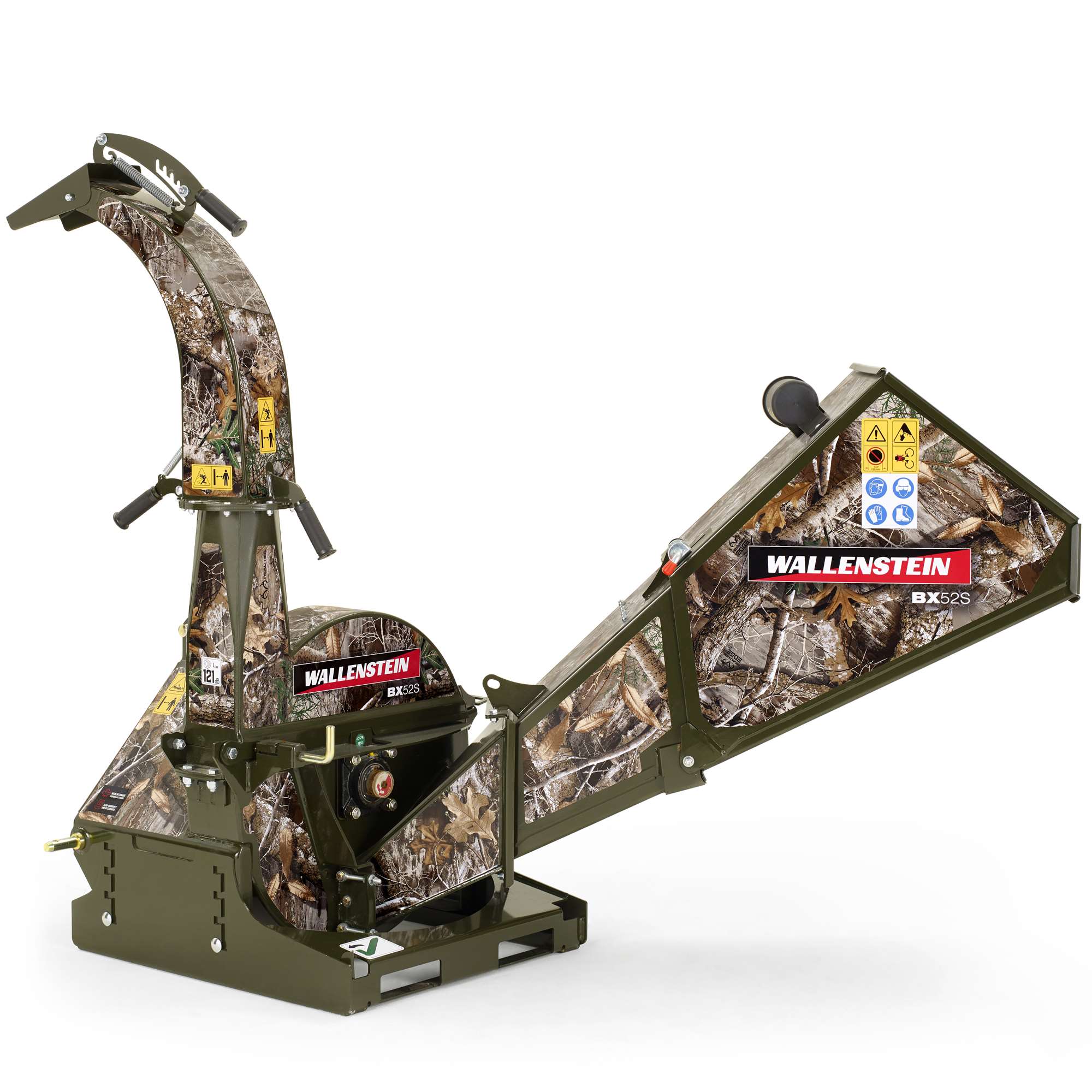
A chipper’s feed-stop feature needs a more specific description than stop. It may control the powered roller without stopping the cutting rotor. Similarly, reversible feed does not establish automatic reversing when a branch loads the machine. These WC68, MX-9900 and BX52S examples help turn a feature headline into a clear list of supplied controls and questions for the seller.
By Acreage Equipment · Reviewed November 7, 2026 · Specification research, not a field test
THE DECISION IN NUMBERS
Translate the quoted control into a verified function
Exact-model descriptions reviewed November 7, 2026. This is a purchase-function comparison, not control-position or shutdown instructions. The final row is a hypothetical incomplete quote; no automation or stopping-time claim is inferred.
Scroll the table sideways on smaller screens.
| Model or quote | Function supported by the reviewed source | What the buyer still needs |
|---|---|---|
| WC68 speed valve | Adjusts infeed roller speed. | Identify it separately from the direction-control arm. |
| WC68 direction arm | Forward, neutral and reverse; neutral stops the roller. | Do not describe roller neutral as flywheel stopping. |
| MX-9900 control bar | Operator control of roller speed, neutral and direction. | Written evidence for any claimed automatic load response. |
| BX52S gravity-feed model | Direct PTO drive; no powered-feed-roller package established. | Confirm the applicable tractor controls and handover. |
| Hypothetical quote: auto stop/reverse included | Component and trigger not specified. | Request affected component, trigger, standard/optional status and manual reference. |
Sources for this decision table (5)
Build a control list by component
For a hydraulic-feed chipper, separate roller speed, roller direction and roller neutral from tractor PTO disengagement and cutting-rotor stopping. Record the component affected, how the manufacturer says the function is initiated, and whether it is standard on the exact model. A quote that only says stop/reverse leaves important scope unresolved.
WC68: speed and direction are separate controls
The WC68 Rev C manual shows a speed-control valve and a red direction-control arm. The arm provides forward, neutral and reverse states for the infeed roller; neutral stops that roller. Its preceding page describes neutral allowing the tractor and flywheel to recover speed. That is direct evidence that roller neutral is not a promise that the cutting flywheel has stopped. Ask for both controls to be identified in the supplied-machine handover.
MX-9900: verify the meaning of auto in the headline
The MX-9900 page uses an auto feed stop heading. The reviewed manual describes an operator-controlled bar for roller speed and direction, with a neutral state. These sources establish roller control, but do not verify a load-sensing trigger, automatic reverse cycle or automatic tractor PTO shutdown. If unattended feed regulation is a purchase requirement, ask for its exact control logic and applicable documentation rather than treating the headline as confirmation.
Separate feed interruption from complete stopping
The distinction remains important even when a machine has an identifiable feed-stop bar. Ask which component the control acts on and whether any separate rotor-braking function is actually supplied. The BX-S manual, for example, warns that the rotor continues turning after PTO disengagement. Its wording does not provide a measured stopping time.
BX52S: compare the exact gravity-feed configuration
Wallenstein lists the BX52S as gravity feed with direct PTO drive. It is not the same control package as a hydraulic-roller chipper, even if another model in the brand’s range has powered feed. The BX-S manual references a tractor emergency PTO shutoff conditionally, when available. Confirm which tractor controls and documentation apply to the proposed pairing. Do not assume a chipper purchase adds a tractor control that is not already present.
Ask for documented functions and a model-specific handover
Use this guide’s seller-brief link to carry the control questions into a brief for one of the covered chippers. Add the exact tractor and identify any automatic function you require. Ask the supplier to identify the delivered labels, relevant manual revision and operator instruction included with the purchase. Copy or download the brief for your own inquiry.
Take these questions with you.
- Which supplied control changes roller speed, which selects neutral or reverse, and which component does each function affect?
- Is any load-sensing feed stop or automatic reverse supplied on this exact unit? If so, what triggers it and which manual documents it?
- Does a feed-stop function affect only the roller, or is a separate documented rotor-braking or tractor PTO shutdown function included?
- Which manual revision, control labels and operator handover apply to my chipper/tractor pairing, including any tractor emergency PTO control?
Keep these questions with your exact tractor and attachment details.
Use these questions in my seller briefFOLLOW THE NUMBERS
Sources & documentation
Research record reviewed November 7, 2026. Confirm the current manual and the exact revision supplied with your machine.
- Woodland Mills WC68 Rev C, May 28, 2024 — pp. 41–42
- WoodMaxx MX-9900 — feed-stop bar feature wording
- WoodMaxx MX-9900 Rev C, September 18, 2026 — pp. 23, 25–26
- Wallenstein BX52S U.S. specifications — gravity feed and PTO direct drive
- Wallenstein BX-S operator manual, January 2025 — p. 28
- Woodland Mills official U.S. product page — Capacity and hydraulic infeed sections; current price
- WoodMaxx current manufacturer manual index
- Wallenstein BX52S support — currently linked operator, setup and shaft documents
- PTO shaft installation Z97844_En, Rev Aug-2024 — p6 sizing with a quick hitch attached
- BX-S setup instructions Z97085_SI, Rev Feb-2019 — assembly and shipment handling