THE ACREAGE EQUIPMENT FIELD GUIDE
Chipper service planning: separate hours, calendar dates and initial checks
Service planning needs each interval tied to the correct machine and task. An annual inspection, a first-use check and a hydrostatic oil change are different commitments. Before comparing ownership costs, ask a provider to map the applicable manual to your expected use and price the work it will actually perform.
By Acreage Equipment · Reviewed November 8, 2026 · Specification research, not a field test
THE DECISION IN NUMBERS
Worked planning check: the task determines which clock matters
Manufacturer schedules reviewed November 8, 2026. Usage figures are hypothetical, not recommended intervals. Rows cover selected tasks only; use the complete applicable manual and provider assessment.
Scroll the table sideways on smaller screens.
| Model and selected task | Published trigger or hypothetical usage | Planning implication |
|---|---|---|
| BX52S break-in checks | After 1 hour and 10 hours | Assign the initial work separately from the annual quote |
| BX52S sharpness/twig-breaker checks and machine lubrication | 50 hours or annually, whichever comes first; example: 30 hours in one year | The annual trigger matters for this task group |
| Same BX52S task group, hypothetical heavier use | 45 hours + 10 hours = 55 before the anniversary | The hour trigger arrives before the calendar date |
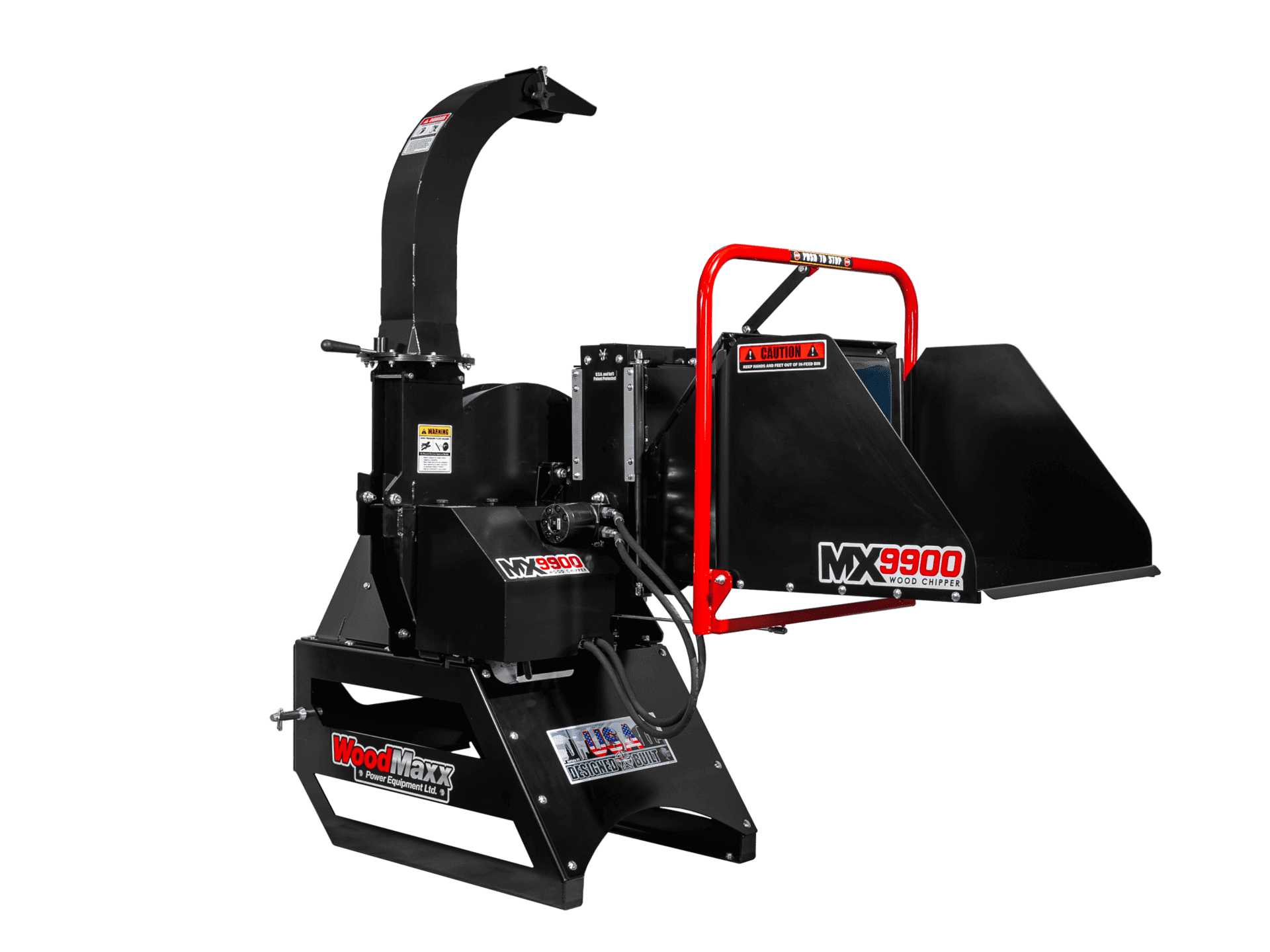
| MX-9900 hydrostatic oil and filter | Published 200–300 hours; example: 190 + 20 = 210 since documented change | Resolve timing within this component-specific band; other tasks remain separate |
Sources for this decision table (2)
- Wallenstein BX-S manual Z97085_En, January 2025 ↗Printed/PDF p. 27: Machine Break-In; p. 31: Storage; p. 33: Maintenance Schedule.
- WoodMaxx MX-9900 Rev C, September 18, 2026 ↗Printed p. 34 / PDF p. 35: hydrostatic oil/filter scope; printed p. 39 / PDF p. 40: maintenance checklist; printed p. 53 / PDF p. 54: filter item 6.
Read the task before comparing the interval
Wallenstein's BX-S schedule groups several blade and lubrication checks under 50 hours or annually. WoodMaxx's MX-9900 checklist gives 200–300 hours for changing hydrostatic oil and its filter. Those entries describe different work on different machines, so the larger number does not establish lower maintenance cost. Keep each quoted visit tied to its listed components. Checking a knife is also different from replacing it: a scheduled assessment is not evidence that a new set will be required at that visit.
Give initial checks their own place in the quote
The January 2025 BX-S manual identifies break-in checks after one hour and again after ten hours, before moving to the normal servicing schedule. That can matter to a buyer arranging dealer service or occasional project use. Ask who will handle those early checks and whether they are included in the purchase, a separate visit or another agreed arrangement. A quote for an annual assessment does not automatically include the earlier work. Request responsibility and documentation without trying to turn the schedule into a repair-time estimate.
Low annual use does not remove a calendar trigger
For the BX52S, the shared BX-S table assigns rotor-blade and ledger-knife sharpness checks, a twig-breaker check and machine lubrication to the 50-hours-or-annually group. It says the time or hour interval applies, whichever comes first. In a hypothetical year with 30 attachment hours, the annual trigger remains relevant even though 50 hours has not accumulated. That arithmetic is a planning illustration for those named tasks, not a replacement schedule for blades or permission to omit the manual's other checks.
Keep the MX-9900 oil and filter entry together
The MX-9900's current checklist associates its 200–300-hour entry with oil/filter replacement; its hydrostatic-service section calls for both to be replaced together. The parts table identifies filter 7100182, which gives the supplier a specific reference to confirm for the machine. Ask for the applicable oil, filter, labor and completion record as one scoped service proposal. Do not apply that interval to the knives, tractor oil or another chipper. A range also leaves a timing question for the supplier; do not silently choose its upper endpoint.
Use expected hours to expose gaps in a proposed plan
The worked table uses invented usage figures to test whether a proposal addresses the relevant trigger. A hypothetical BX52S reaching 55 hours before its anniversary raises the hour-based task group first. A hypothetical MX-9900 accumulating 210 hours since the last documented hydrostatic oil/filter change falls within its published service band and needs a model-specific plan. Neither scenario predicts wear, approves continued operation or supplies the complete schedule. Ask how material and duty conditions affect the particular checks identified in the manual.
Compare service scope rather than counting visits alone
Have each provider identify the machine revision, starting date and hours, named tasks, included consumables and approval process for additional repairs. Record how attachment operating time will be established instead of assuming all tractor-meter time belongs to the chipper. A bundled visit may cover several tasks, while a parts-only offer may cover none of the labor; price those scopes explicitly. Use this guide's seller brief to request a plan for the selected chipper, then retain dates, hours and completed-work records so future quotes start from evidence.
Take these questions with you.
- Which initial, recurring-hour and calendar triggers apply to each named service task for this exact chipper revision?
- Who completes the early checks and later scheduled work, and which visits, labor and materials are included in the quote?
- How should operating hours and the last completed service be documented, and what model-specific conditions change the planned checks?
- Which parts and consumables belong to each quoted service, and how will additional wear-related work be assessed, approved and recorded?
Keep these questions with your exact tractor and attachment details.
Use these questions in my seller briefFOLLOW THE NUMBERS
Sources & documentation
Research record reviewed November 8, 2026. Confirm the current manual and the exact revision supplied with your machine.
- Wallenstein BX-S manual Z97085_En, January 2025Printed/PDF p. 27: Machine Break-In; p. 31: Storage; p. 33: Maintenance Schedule.
- WoodMaxx MX-9900 Rev C, September 18, 2026Printed p. 34 / PDF p. 35: hydrostatic oil/filter scope; printed p. 39 / PDF p. 40: maintenance checklist; printed p. 53 / PDF p. 54: filter item 6.
- Official MX-9900 page: power/capacity claims, feed, hitch and current sale price
- WoodMaxx current manufacturer manual index
- Wallenstein official U.S. BX52S page — explicit engine band, capacity, RPM label, reference weight and accessories
- Wallenstein BX52S support — currently linked operator, setup and shaft documents
- BX-S operator manual Z97085_En, Rev Jan-2025 — pp14,18–22,28,30,40
- PTO shaft installation Z97844_En, Rev Aug-2024 — p6 sizing with a quick hitch attached
- BX-S setup instructions Z97085_SI, Rev Feb-2019 — assembly and shipment handling