THE ACREAGE EQUIPMENT FIELD GUIDE
PTO chipper belts: pump drive, flywheel drive and spare sets
A reference to a chipper belt is incomplete until you know which system it drives. A belt may serve the feed pump, a flywheel, or a separate discharge flywheel; one machine can contain more than one belt system. Before comparing spare-parts packages, match each line to the exact model, manual revision, component and quantity. These manufacturer examples were reviewed November 7, 2026.
By Acreage Equipment · Reviewed November 7, 2026 · Specification research, not a field test
THE DECISION IN NUMBERS
Worked spare-parts worksheet: identify the component before pricing a kit
Published manual quantities, not a recommendation to stock or replace every listed part. WC68 Rev C (May 28, 2024), TFG55 Rev B (October 15, 2024), MX-9900 Rev C (September 18, 2026); reviewed November 7, 2026. Confirm applicability and package contents with the seller. Prices, stock and service life are not established here.
Scroll the table sideways on smaller screens.
| Model and subsystem | Manual identifier | Physical quantity in that system | How to make the quote comparable |
|---|---|---|---|
| WC68 hydraulic pump | BX43; item 98 | 1 | Name the pump belt; confirm revision and supplied quantity. |
| TFG55 flywheel and paddle flywheel | BX40 for each location | 2 total | Confirm two belts; the manual recommends replacement together. |
| MX-9900 Powerdrive | BX47; part 7100527 | 5 | Confirm whether the price is per belt or for all five. |
| MX-9900 hydrostatic pump | BX22; part 7100202 | 1, separate from main drive | List separately; do not assume a five-belt kit includes it. |
| Hypothetical MX-9900 quote: one unspecified kit | Package contents unknown | 5 main + 1 pump in the listed inventory | Do not price it as a complete six-belt package until contents are stated. |
Identify the system behind the drive label
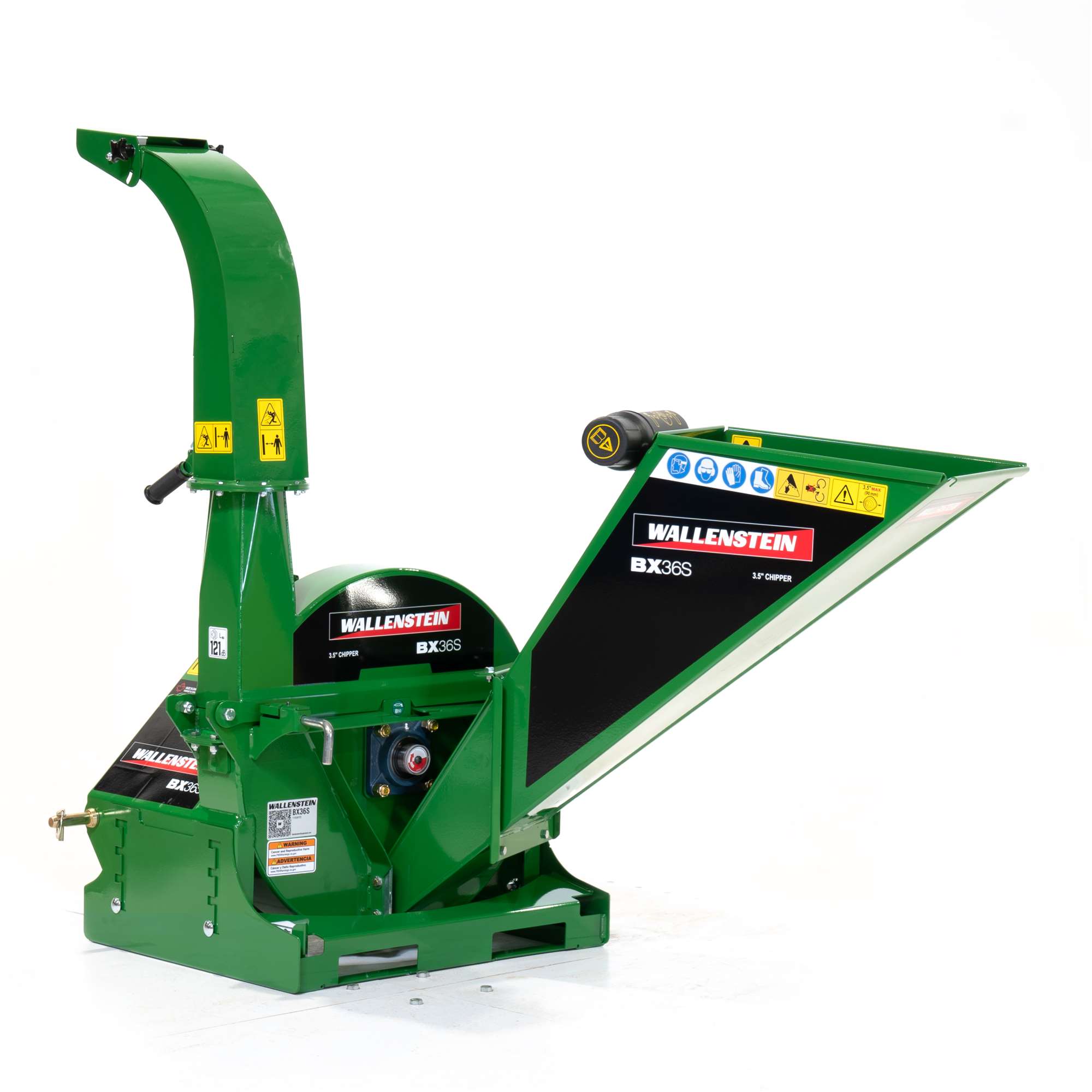
Wallenstein describes the BX36S as direct PTO drive. That identifies its published drive arrangement; it does not establish a maintenance-cost advantage over every belt-driven machine. The WC68 manual, meanwhile, specifically names a hydraulic pump belt. Do not infer the rotor’s drive arrangement merely from seeing a belt cover or reading a parts listing. Ask the supplier to identify the main drive and any separate feed or discharge drive before requesting spares.
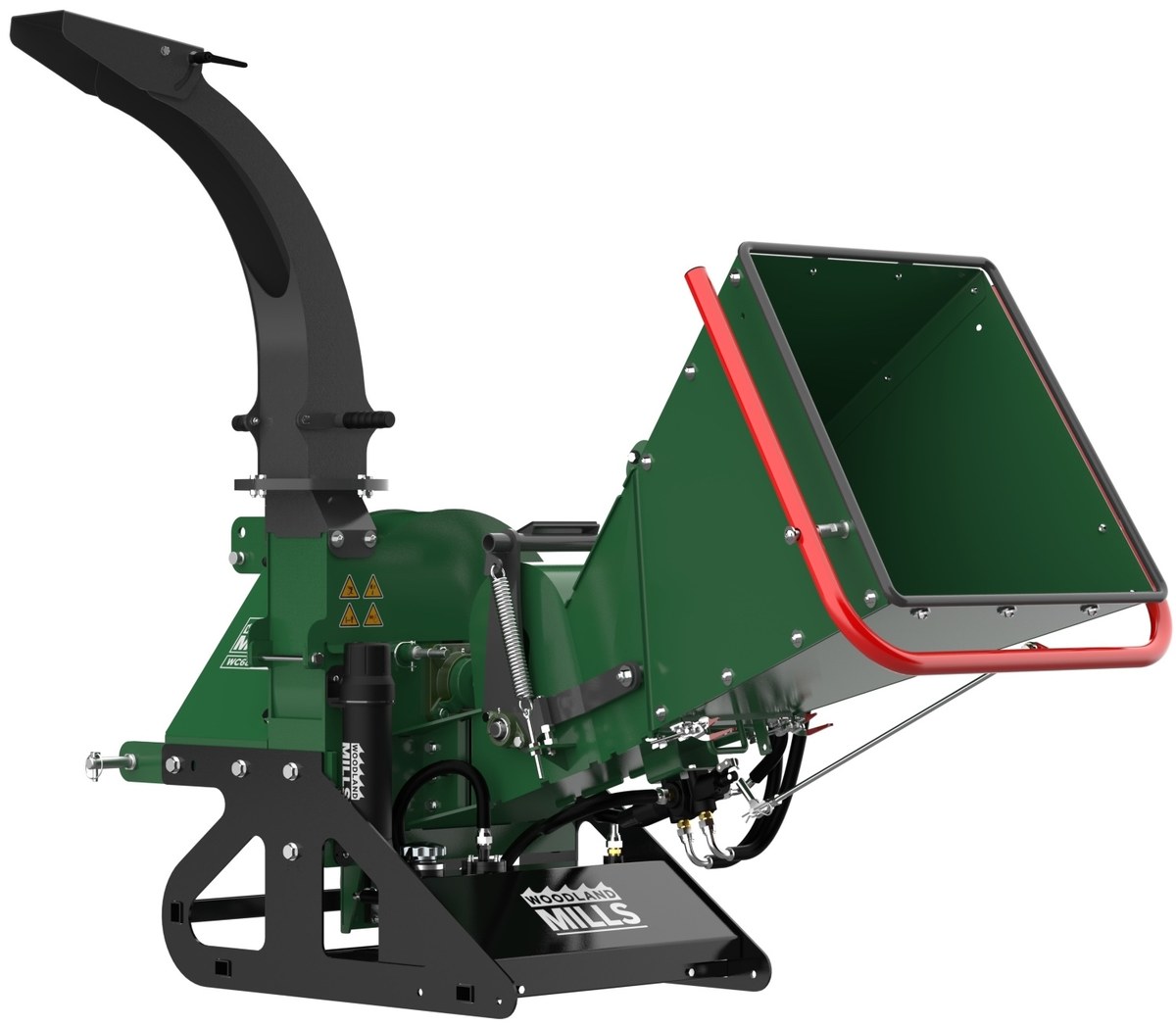
WC68: the named belt serves the hydraulic pump
The WC68 Rev C manual gives the pump belt its own maintenance sections and lists one cogged BX43 belt as item 98 in the parts table. A quote for that component should name its pump role and the applicable model revision. It should not be relabeled a rotor-belt set. Keep any inspection or repair work with the manufacturer’s instructions and the service provider; the purchasing task is to establish which part the quote actually supplies.
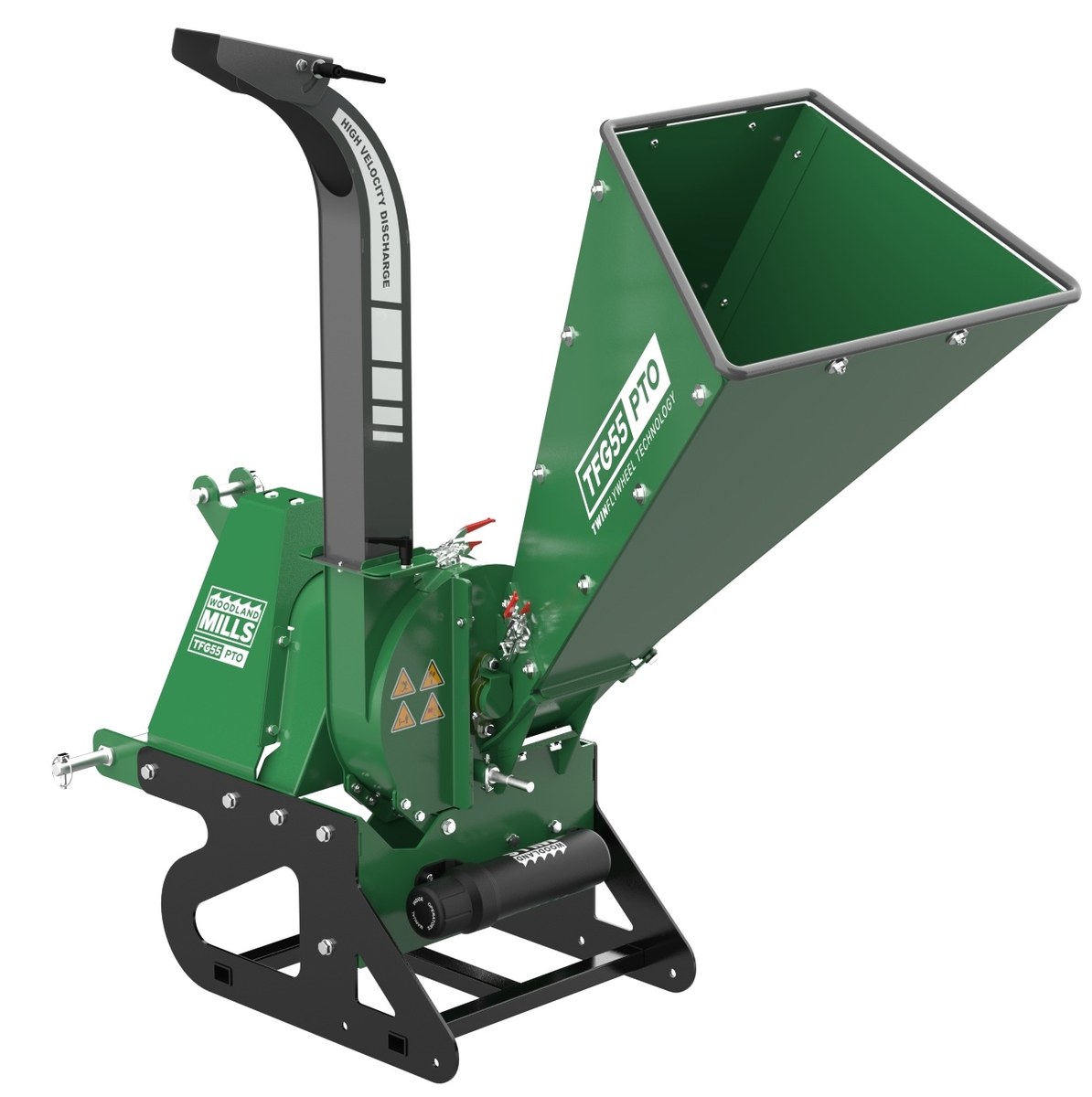
TFG55: two belts have the same designation but different roles
The TFG55 Rev B manual labels one BX40 as the flywheel belt and another BX40 as the paddle-flywheel belt. It recommends replacing both together. Thus a listing for one BX40 and a package containing both are different quantities even though the designation matches. Ask whether a quoted set contains two physical belts for those two locations. That is a useful inventory distinction without predicting how often either will need replacement.
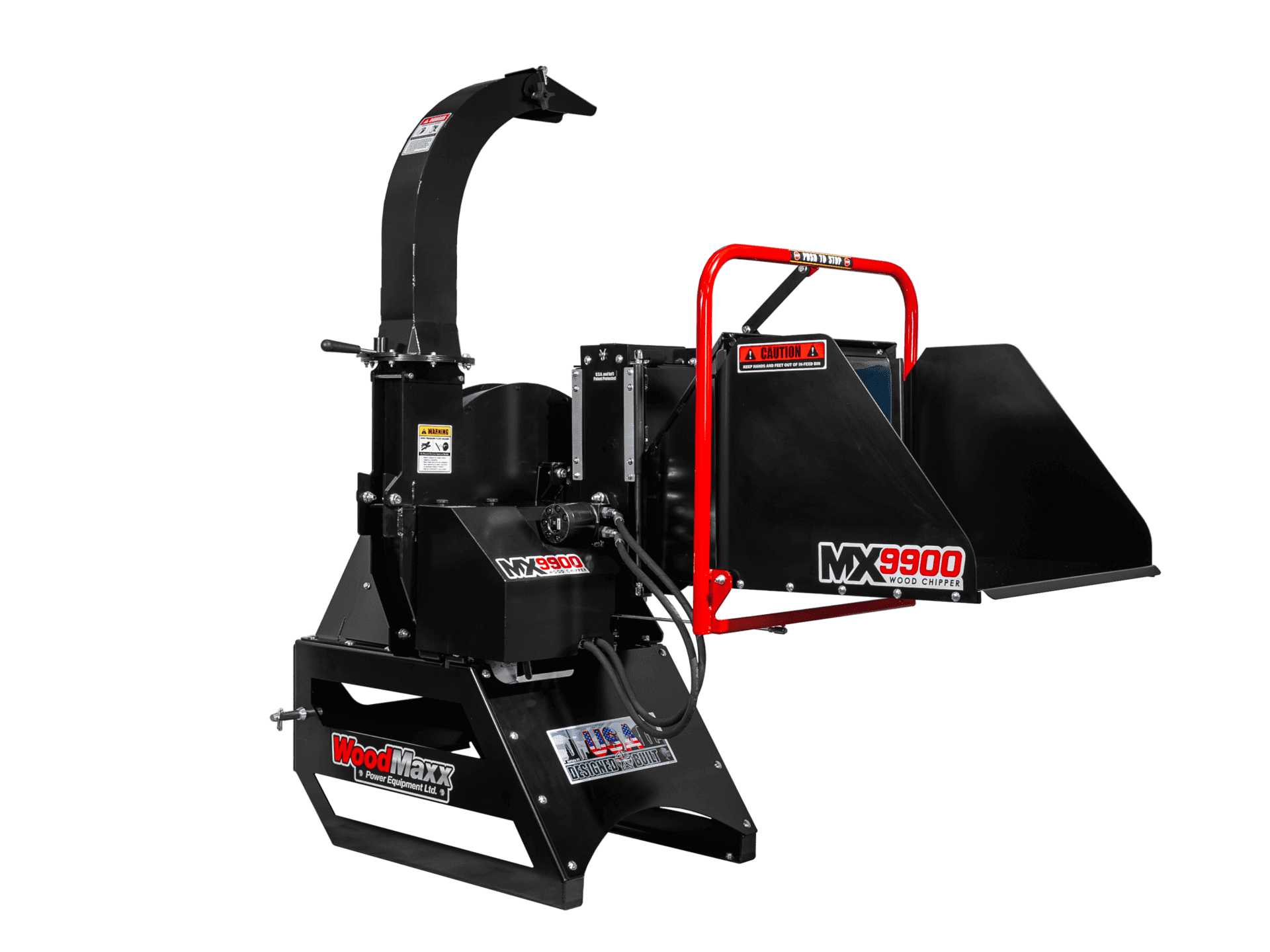
MX-9900: separate the five main belts from the pump belt
The MX-9900 Rev C manual identifies five BX47 Powerdrive belts; its parts table gives part 7100527, quantity five. A separate hydraulics table lists one BX22 pump belt, part 7100202. A five-belt main-drive package therefore does not account for the pump belt. Ask for two explicitly named quote lines if both systems are in scope. These are manual identifiers to confirm against the actual serial number, not an authorization to substitute a similarly marked aftermarket belt.
An automatic tensioner claim has a specific scope
The MX-9900 product page assigns its automatic tensioner to the hydrostatic pump belt. The manual separately documents the Powerdrive system. Treat those as distinct service questions: a statement about the pump mechanism should not become a claim that every belt is automatic or maintenance-free. The TFG55 manual describes its own self-tensioning arrangement, yet still calls for condition checks. Ask which systems the proposed service plan includes and who will perform that work.
Compare quote quantities before comparing totals
For a hypothetical MX-9900 order, a line reading “one belt kit” remains ambiguous. The component inventory is five main-drive belts plus one pump belt, but the seller must say which of those its package contains. The TFG55 example instead calls for two belts with the same designation. Request each package’s contents, applicable serial range, price, shipping, availability and any separate service charge. Leave unanswered amounts blank; belt count alone cannot establish annual cost, service life or reliability.
Take these questions with you.
- Which belt systems are present on my exact model and serial number, and what current manual or parts drawing identifies each one?
- Does this quote supply individual belts or a complete named set, how many physical belts are included, and is the pump belt a separate line?
- What are the confirmed part identifiers, current availability and delivered parts cost, and which inspection or installation services would need a separate arrangement?
Keep these questions with your exact tractor and attachment details.
Use these questions in my seller briefFOLLOW THE NUMBERS
Sources & documentation
Research record reviewed November 7, 2026. Confirm the current manual and the exact revision supplied with your machine.
- Wallenstein BX36S U.S. specifications — chute height, rotation and direct PTO drive
- Woodland Mills WC68 manual, Rev C, May 28, 2024 — pp. 51–52 and 73: hydraulic pump belt
- Woodland Mills TFG55 manual, Rev B, October 15, 2024 — pp. 48–49: two flywheel belts
- WoodMaxx MX-9900 manual, Rev C, September 18, 2026 — pp. 35–38, 42, 47 and 52
- WoodMaxx MX-9900 — five drive belts and separate automatic pump-belt tensioner
- Woodland Mills official U.S. product page — Capacity and hydraulic infeed sections; current price
- Woodland Mills TFG55 PTO official U.S. product page
- WoodMaxx current manufacturer manual index
- Wallenstein BX36S support — currently linked operator, setup and shaft documents
- BX-S operator manual Z97085_En, Rev Jan-2025 — pp14,18–22,28,30,40
- PTO shaft installation Z97844_En, Rev Aug-2024 — p6 sizing with a quick hitch attached
- BX-S setup instructions Z97085_SI, Rev Feb-2019 — assembly and shipment handling