THE ACREAGE EQUIPMENT FIELD GUIDE
Compare flail mower cutting height, roller and skid equipment
Cutting width tells you how broad a pass the mower covers; it does not tell you whether the mower offers the height setting you need. Compare the exact published range, available positions and roller/skid equipment. If the page and manual disagree, a target height may change from “within range” to unresolved before tractor fit is considered.
By Acreage Equipment · Reviewed November 7, 2026 · Specification research, not a field test
THE DECISION IN NUMBERS
Worked height requirements: interval, exact position and revision are separate checks
Targets are hypothetical buying requirements, not mowing advice. Manufacturer ranges were checked November 7, 2026. Being inside an interval does not establish an exact selectable setting, actual field cut, tractor compatibility or permission to alter the adjustment range.
Scroll the table sideways on smaller screens.
| Model / hypothetical target | Published height information | Arithmetic or scope check | Buying conclusion |
|---|---|---|---|
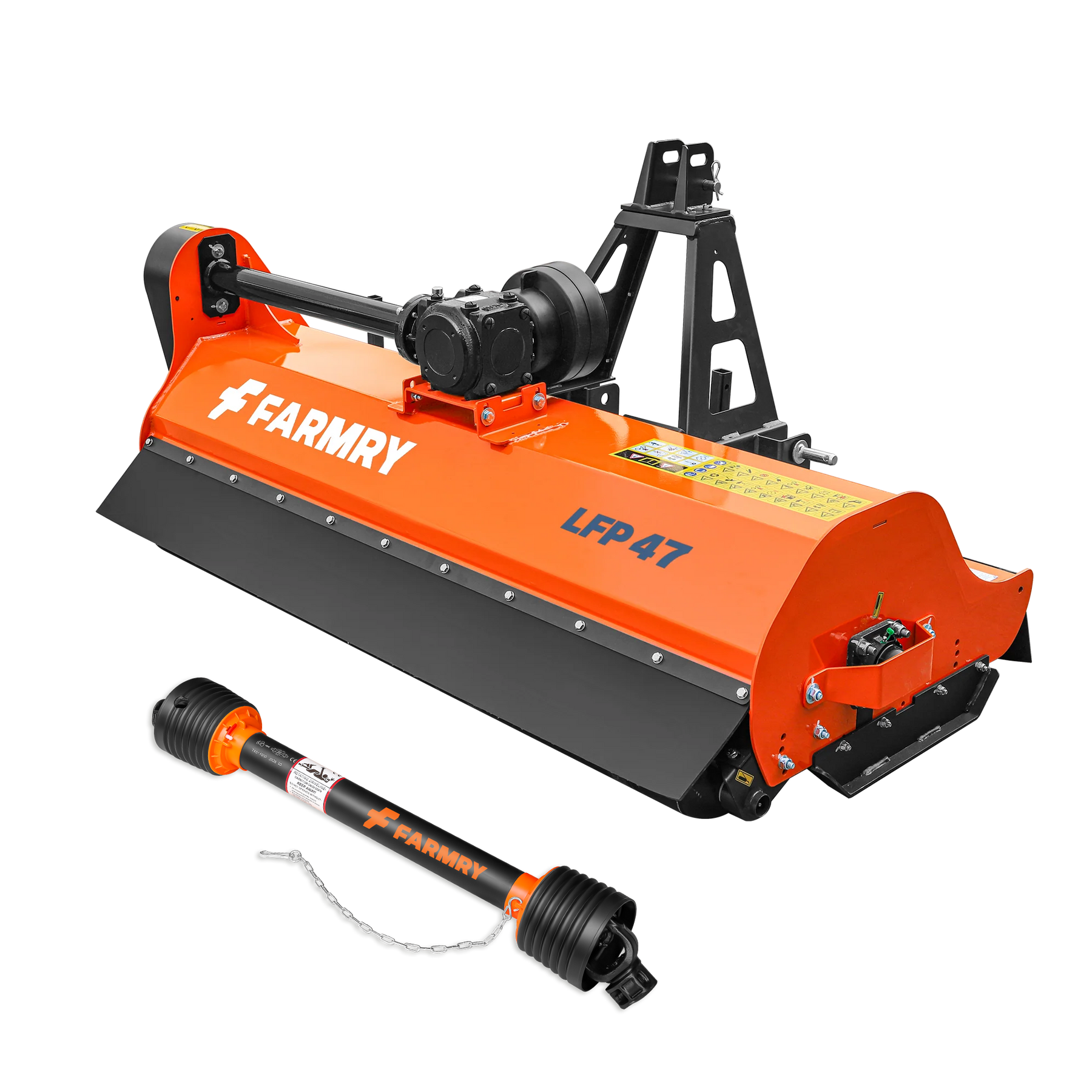
| LFP47 / 2.0 inches | Page: 0.6–1.5 in | 2.0 − 1.5 = 0.5 inch above maximum | Published range does not meet this target |
| LFP47 / 1.1 inches | Page: 0.6–1.5 in; manual: three roller positions | Target is within the interval; exact position heights are not given | Ask whether the required setting is available |
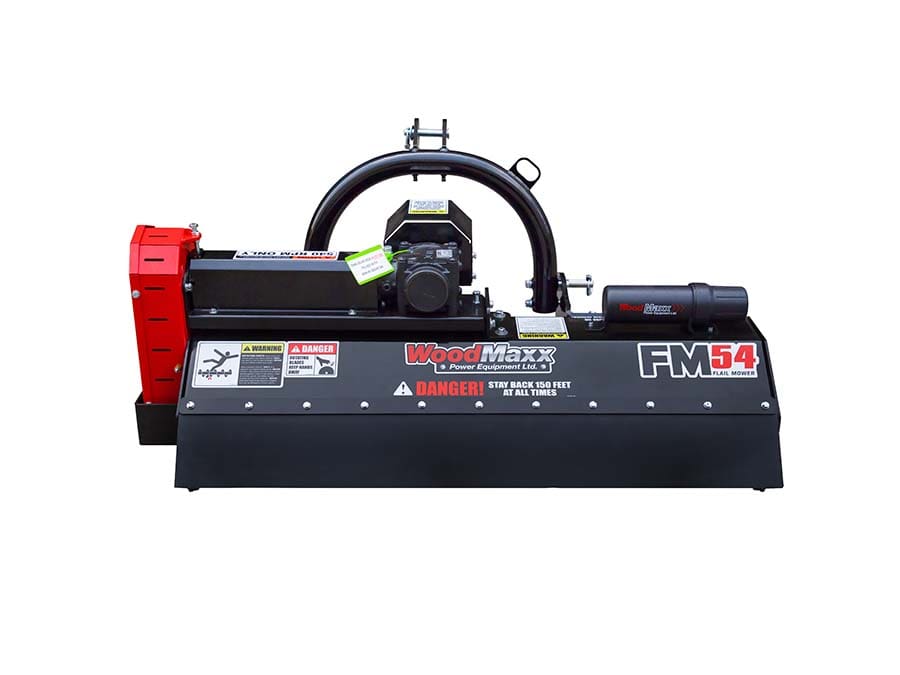
| FM-54 / 3.0 inches | Page: 0.75–2.5; current manual: 0.75–3.5 in | 0.5 inch above page maximum; 0.5 below manual maximum | Resolve delivered revision; no settled range conclusion |
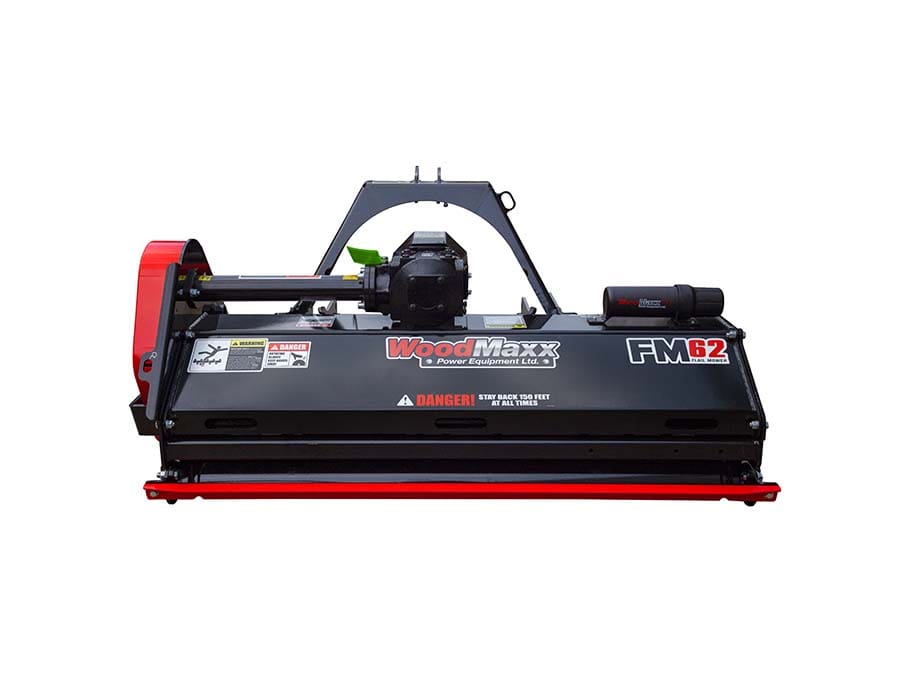
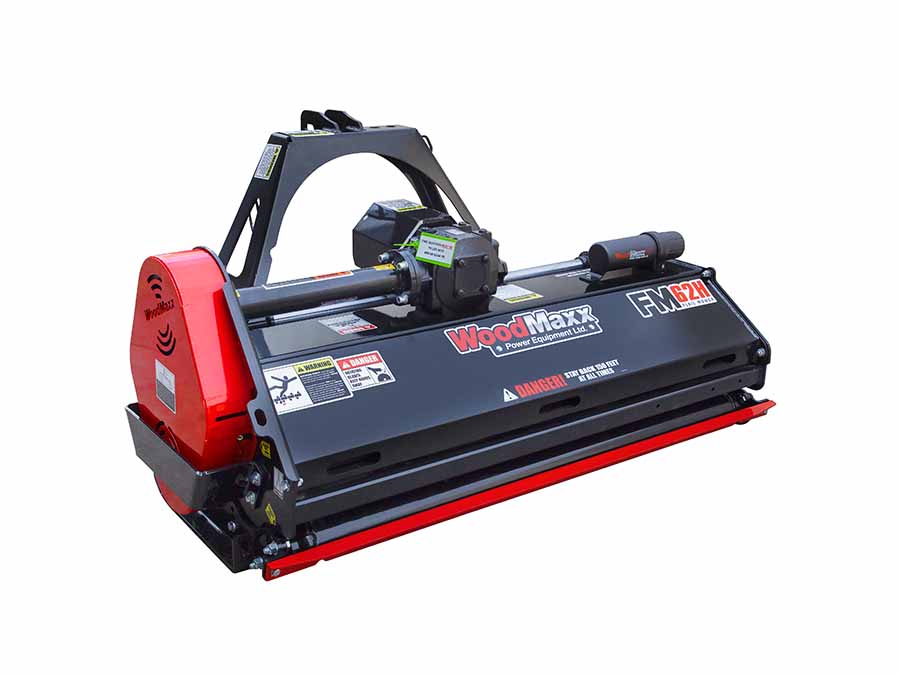
| FM-62 / 2.0 inches | Page and current manual: 0.75–3.75 in | 2.0 lies within both published intervals | Verify the available setting and remaining purchase requirements |
| FM-62 / 4.0 inches | Page and current manual: maximum 3.75 in | 4.0 − 3.75 = 0.25 inch above maximum | Published range does not meet this target |
Sources for this decision table (6)
- Farmry LFP47 official page — height range, adjustable roller and scraper ↗
- Farmry LFP Series operator manual Rev 1.3 — three roller positions ↗
- WoodMaxx FM-54 official page — slip-clutch shaft, overrunning gearbox, roller and conflicting height ↗
- WoodMaxx FM-54 current-model manual — two protection functions and height specification ↗
- WoodMaxx FM-62 official page — matching height range and ground-contact equipment ↗
- WoodMaxx FM-Series current-model manual — FM-62 height and roller dimensions ↗
Turn your required height into a specification question
Farmry’s LFP47 page lists a 0.6–1.5-inch stubble-height range. WoodMaxx’s FM-62 page and current manual give 0.75–3.75 inches. For a hypothetical two-inch requirement, LFP47’s listed maximum is half an inch short while FM-62’s interval includes it. That is a narrow specification comparison, not a recommendation to buy the larger mower: power, blade configuration, carrying load and implement limits remain separate.
A range does not promise every intermediate setting
The LFP manual describes three roller-height positions. It does not assign a numeric cutting height to each position in the reviewed text. A hypothetical 1.1-inch target lies between the page’s 0.6 and 1.5 endpoints, but those endpoints alone do not prove an exact 1.1-inch setting exists. Ask the manufacturer for the available settings or an applicable configuration drawing if a particular height is essential to the purchase.
Keep a height conflict visible when it changes the answer
FM-54’s page gives 0.75–2.5 inches; its current-model manual gives 0.75–3.5. A hypothetical three-inch requirement is half an inch above the page maximum and half an inch below the manual maximum. The reviewed evidence does not establish a production cutoff that resolves the difference. Have WoodMaxx confirm the range and available settings of the delivered revision rather than selecting the more generous source.
Compare the supplied roller, skids and scraper as equipment
FM-54 specifies a 4.25-inch rear roller; FM-62 specifies 5.25 inches. Their pages describe replaceable skid shoes and a roller scraper. LFP47 lists an adjustable rear roller with scraper and adjustable skid shoes, and its manual links the roller-position and skid configuration. Those are equipment descriptions, not evidence that a larger roller gives a better finish or that a scraper eliminates cleaning. Ask which parts and settings are supplied on the exact mower.
Record what the height specification actually measures
Use the manufacturer’s cutting- or stubble-height label, not overall machine height, transport clearance or roller diameter. A nominal height range also does not predict the resulting cut on a particular site. Ask the seller to identify the reference conditions, selectable positions and configuration used for the quoted range. Keep that answer with the manual and order specification; the worked examples below do not prescribe a mowing height or an adjustment method.
Take these questions with you.
- Which cutting-height range and selectable positions apply to the exact mower revision and blade configuration I would receive?
- If I require this specific height, does a documented setting provide it, or is only the interval published?
- Which roller, skid shoes and scraper are supplied, and what reference conditions define the advertised height?
Keep these questions with your exact tractor and attachment details.
Use these questions in my seller briefFOLLOW THE NUMBERS
Sources & documentation
Research record reviewed November 7, 2026. Confirm the current manual and the exact revision supplied with your machine.
- Farmry LFP47 official page — height range, adjustable roller and scraper
- Farmry LFP Series operator manual Rev 1.3 — three roller positions
- WoodMaxx FM-54 official page — slip-clutch shaft, overrunning gearbox, roller and conflicting height
- WoodMaxx FM-54 current-model manual — two protection functions and height specification
- WoodMaxx FM-62 official page — matching height range and ground-contact equipment
- WoodMaxx FM-Series current-model manual — FM-62 height and roller dimensions
- Current manual index: FM-54 under Models 2025 to current